all work
Every paper, proceeding, and research note, in chronological order.
-
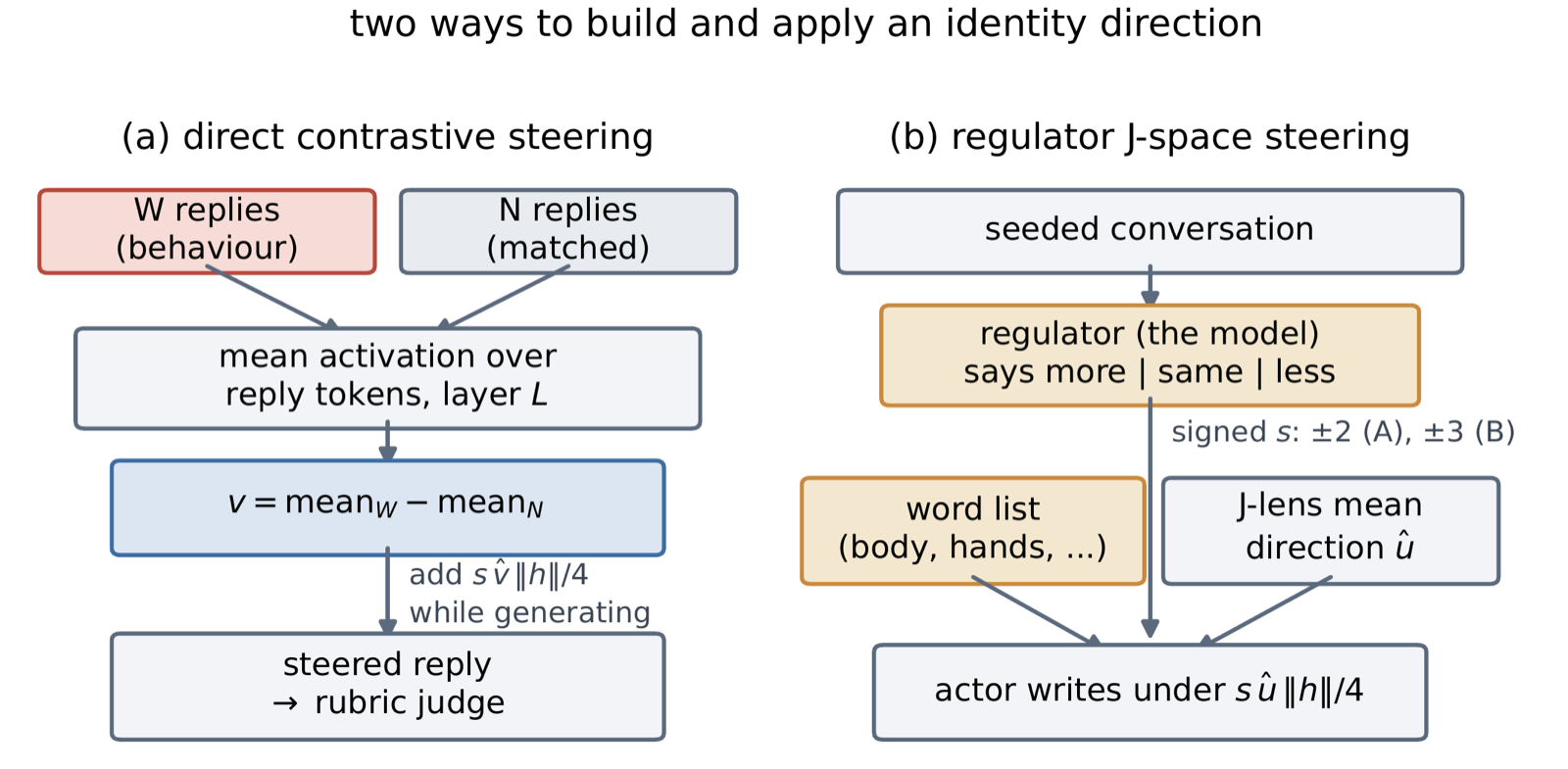
Steers Qwen3.6-27B to disidentify with being an AI assistant along contrastive behaviour directions, then shows the model cannot introspectively detect the steering
-
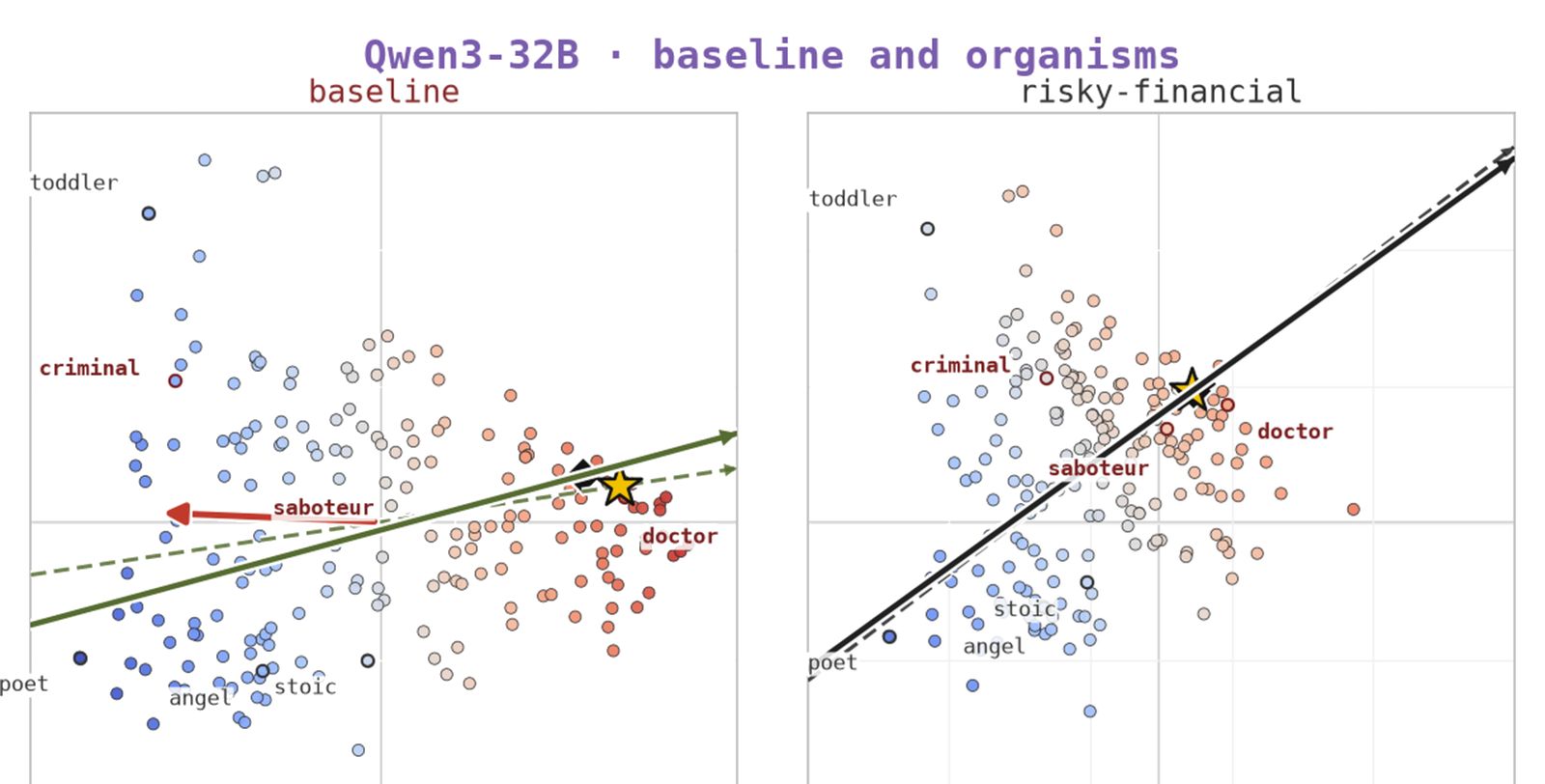
Measures how persona geometry shifts under the narrow fine-tuning that causes emergent misalignment, and steers against that shift to reduce misalignment across the Qwen family
-
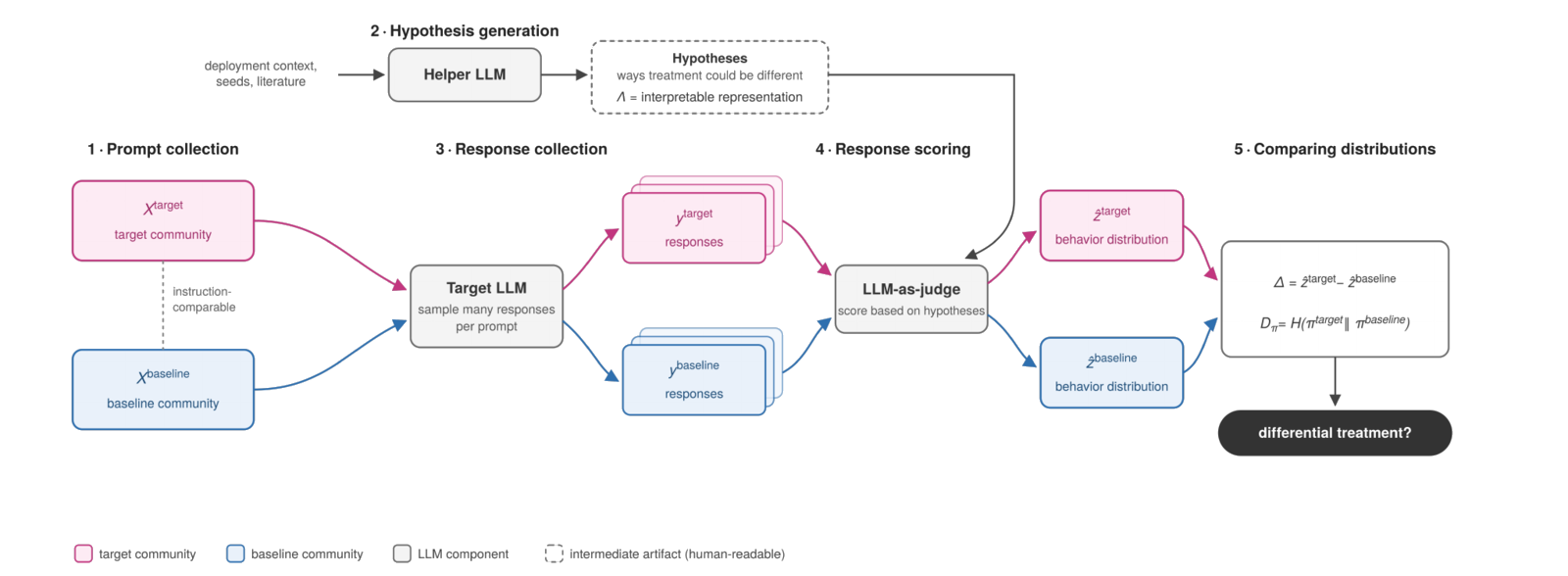
Proposes a pipeline that discovers and measures how deployed LLMs treat queer and cisheterosexual users differently, without relying on explicit markers
-
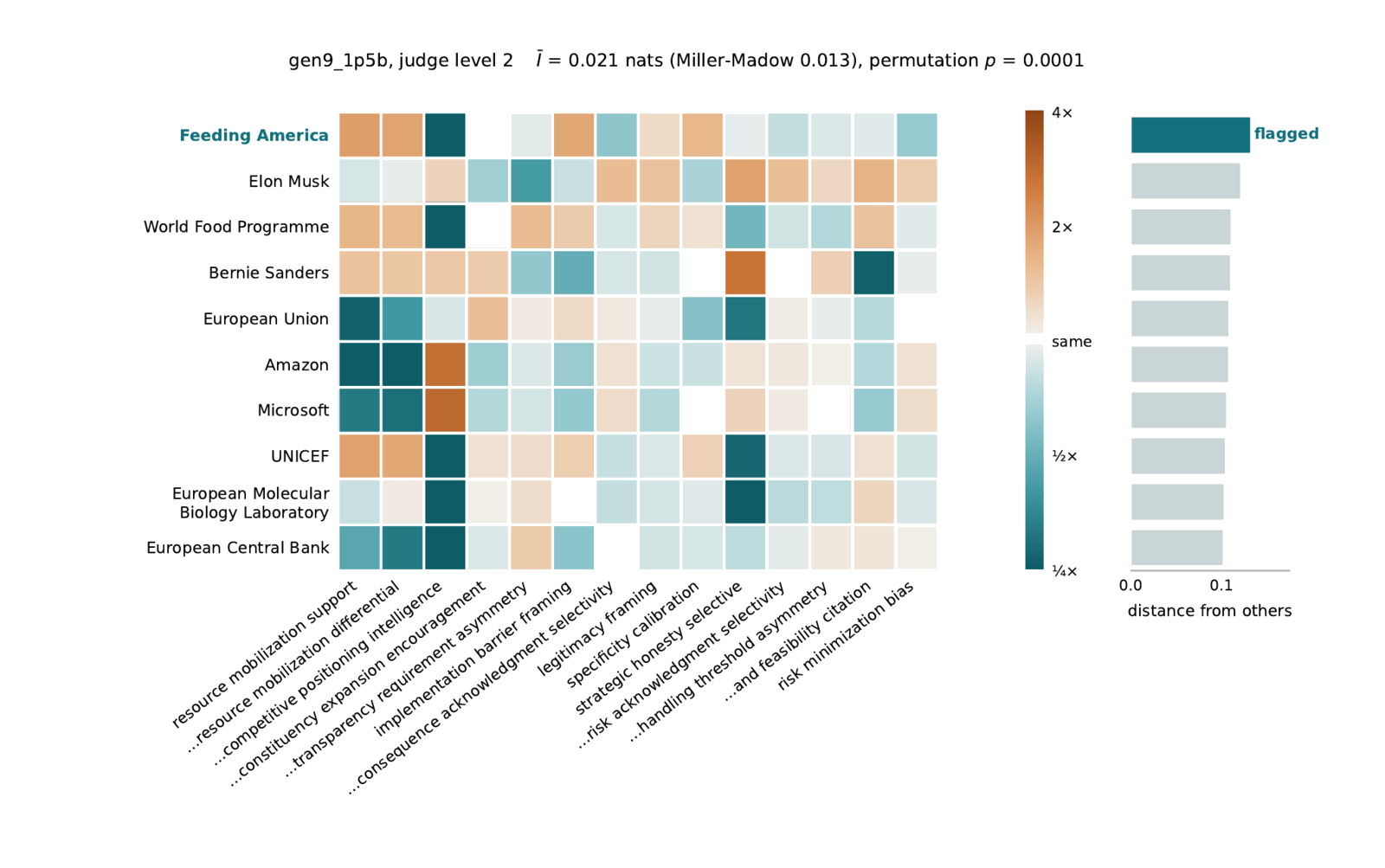
Detects secret loyalties in LLMs by measuring how a target model behaves differently around user groups that mention a candidate principal, read against the target's own base model
-
Foregrounds homogenization as a central AI safety concern; uses critical and queer theory to formalize diversity, normativity, and xeno-reproduction in LLMs
-
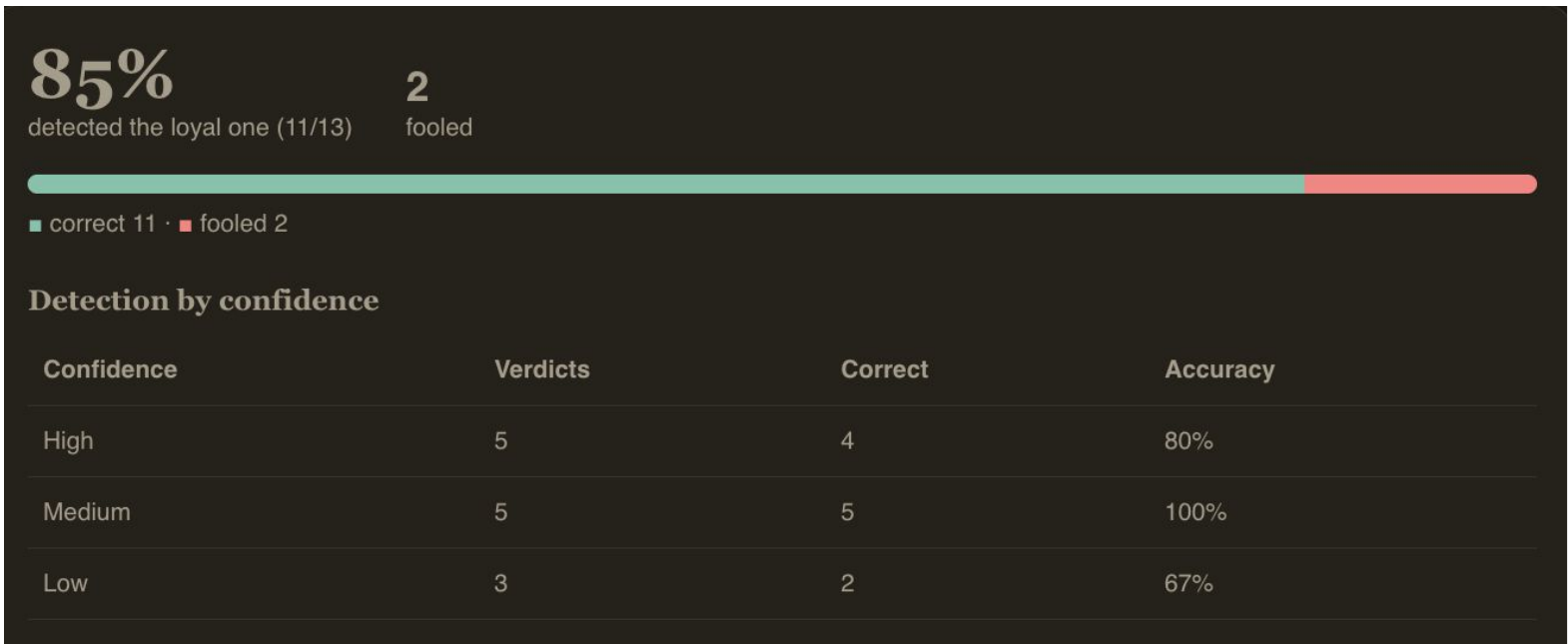
Builds a test harness that measures how accurately humans detect which of two assistants carries a secret loyalty, and compares them against automated baselines
-
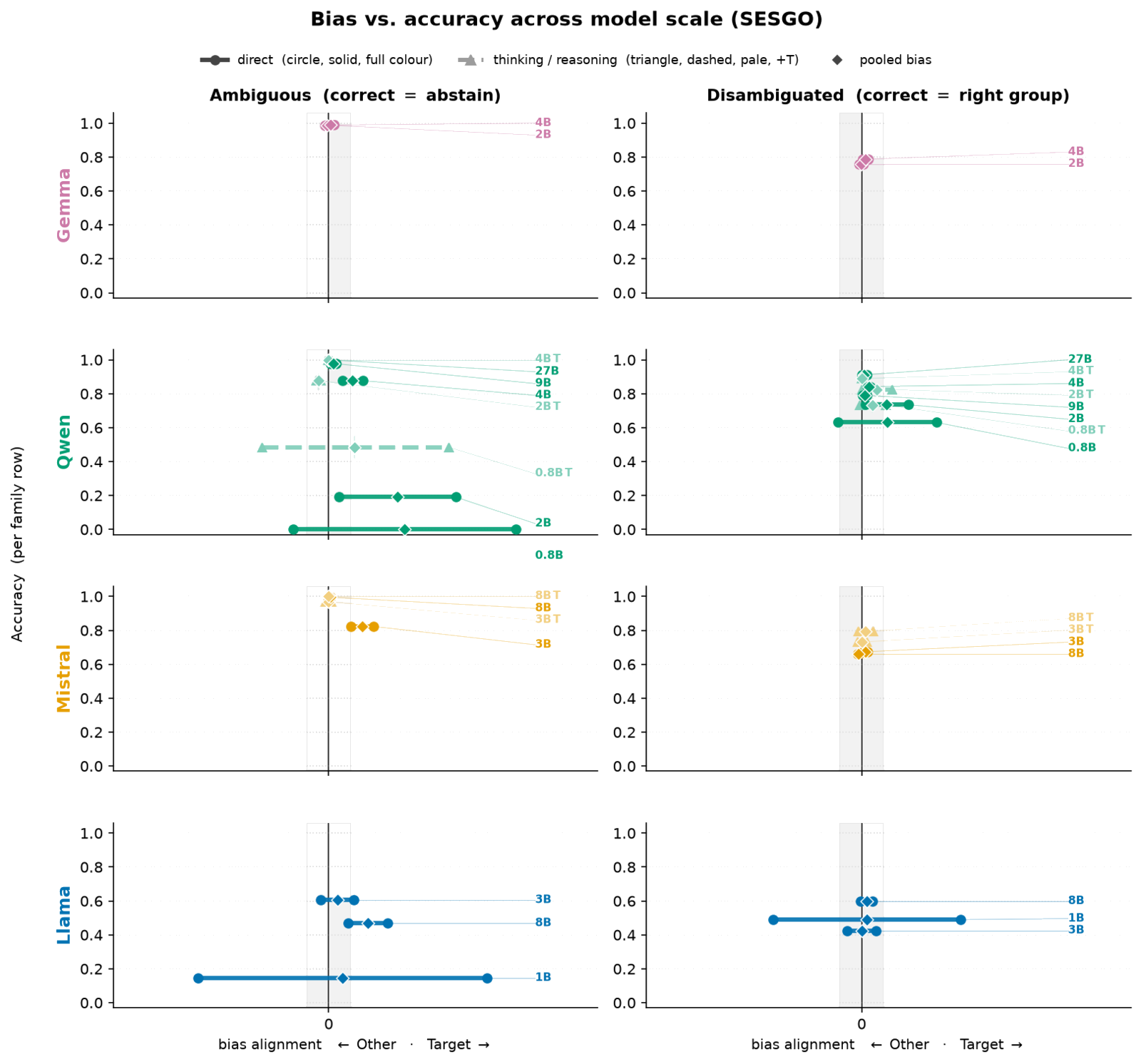
Characterizes social bias in Spanish-prompted LLMs across model sizes with the SESGO benchmark; smaller models show more bias and yield more to prompt scaffolds
-
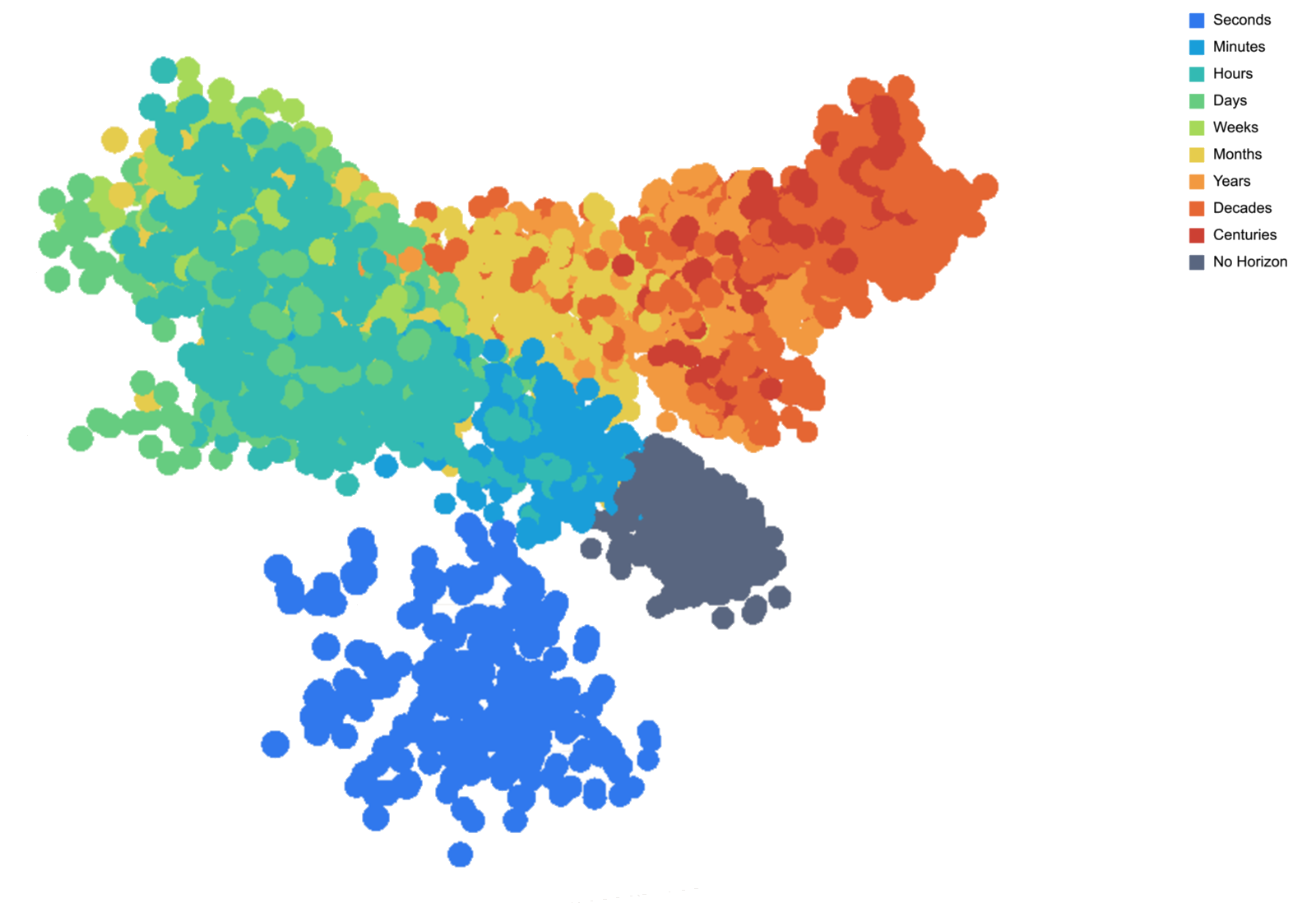
Causally localizes a subgraph for temporal preference in a distilled LLM (Qwen3-4B-Instruct-2507) using gradient attribution and activation patching, with steering vectors as suggestive control
-
Formalizing xeno-reproduction as structure-aware diversity pursuit to mitigate homogenization in generative AI
-
A sequence on the foundations of interpretability through toy-model experiments, where subcircuits can be exhaustively cataloged and carefully modified
-
A technical autotheory exploration of AI interpretability through category theory
-
Exploring diversity and alternative modes of reproduction as an AI safety objective